
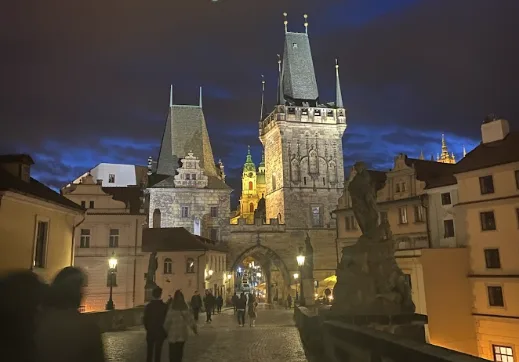
Prague has always known how to make beer. What it’s had to learn — slowly, reluctantly, with the particular stubbornness of a culture that doesn’t take instruction well — is how to reinvent it.
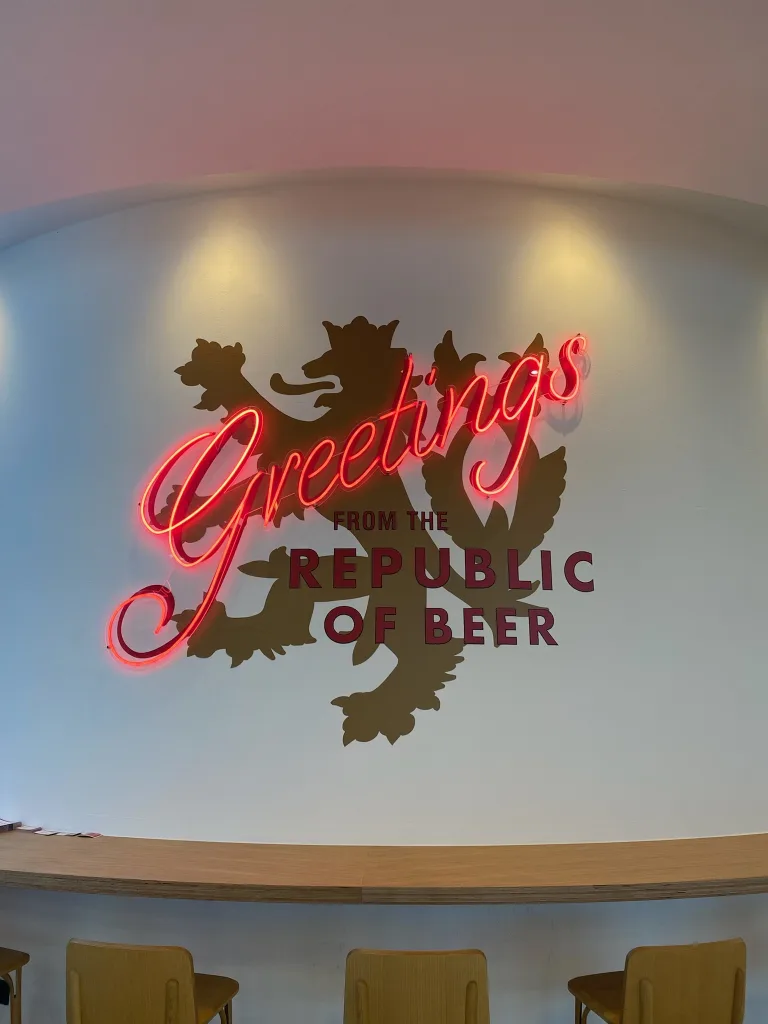
The pilsner was born here. Or close enough. In 1842, in Plzeň, sixty kilometers west of the city, a Bavarian brewer named Josef Groll dumped pale malt into a copper kettle and accidentally changed the world. What came out was golden. Clear. Brilliantly, almost offensively beautiful. The world had never seen a beer that looked like light through amber glass. That was the pilsner. And it conquered the planet.
So why mess with it?
Because standing still, even at the top of the mountain, is still standing still. And a new generation of Czech brewers decided they had something to say.
But before we talk about beer, let me tell you about a football match.
May 9th. A bar in Old Prague. Stone walls, low ceilings, the television on. Slavia hosting Sparta at Fortuna Arena in the derby that splits this city in half — not just emotionally but historically, socially, philosophically. The first meeting between these two clubs, on March 29th, 1896, was also the first official football match ever played in Bohemia. It ended in a disputed goal — the referee awarded a winner to Sparta, but under the rules of the time the decision required the approval of both captains. The Slavia captain refused. The goal was disallowed. The match ended goalless. The rivalry and the distrust were established before the final whistle of the very first encounter.
The social fault line that underpins the fixture runs through Prague’s geography. Slavia emerged from Vinohrady in the south-east of the city, historically associated with the educated middle class, its origins traced to a literary and cycling society at Charles University. Sparta grew out of the working class. The stereotypical shorthand, still heard in Prague, frames Sparta as the club of the workers and Slavia as the club of the intellectuals. An oversimplification that has nonetheless shaped 130 years of one of the most intense rivalries in European football.
We had a beer in hand and the city around us.
Slavia needed a win to clinch the championship title. The visitors took the lead twice. Slavia fought back. With three minutes left on the clock, Slavia led 3-2 and a championship celebration was three minutes away. The bar was electric. The street outside was louder than a street has any right to be.
Then it all came apart. On the screen: Slavia fans storming the pitch, throwing pyrotechnic flares, attacking Sparta players. The Sparta goalkeeper struck with a flare. The match abandoned. Sparta fleeing the stadium by car for safety reasons. Outside the bar: Prague going a little wild, the way cities do when something enormous and unresolvable just happened and nobody quite knows what to do with it yet.
The league subsequently awarded the match to Sparta 3-0, fined Slavia a record ten million crowns, and ordered four home matches to be played behind closed doors.
Slavia’s president accepted the punishment without appeal and announced there would be no title celebrations even if the club went on to win the championship.
I sat in that bar and watched a city’s passion swallow its own joy whole. And I understood something about Czech football culture — and Czech culture broadly — that you cannot learn from a book. The intensity is real. The history is real. The stakes are real. These people do not do things halfway. They never have.
That same quality — that refusal to be indifferent, that insistence on caring completely — lives in the beer too.
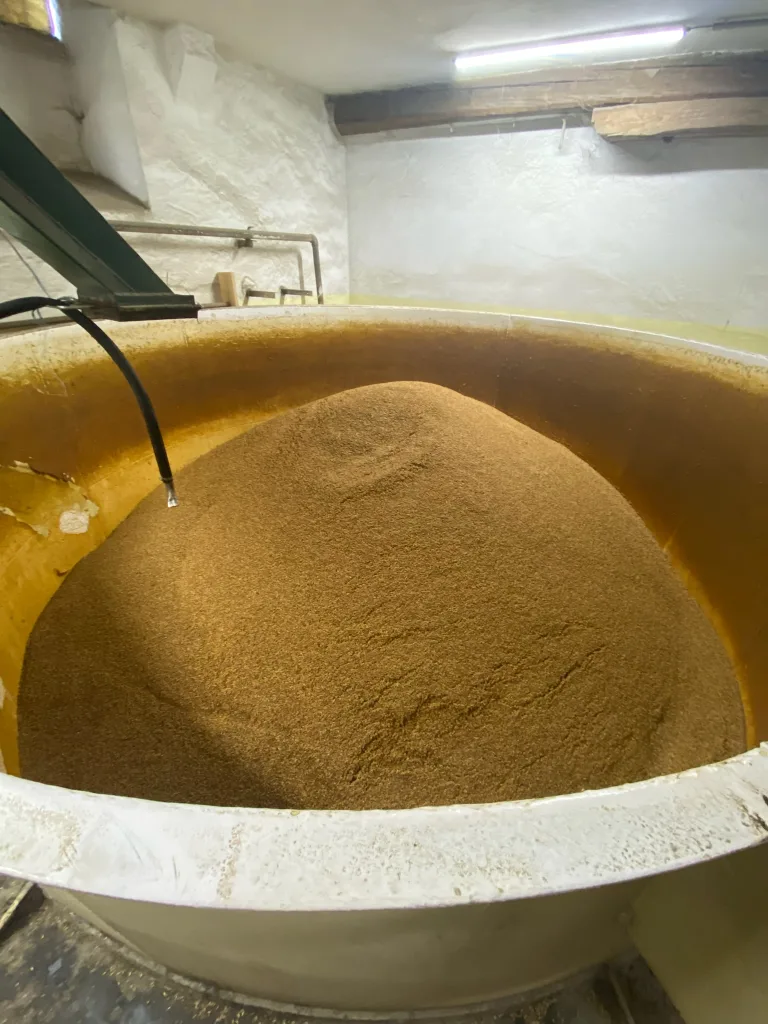
It lives in the pour. It lives in the way brewmaster, Lukáš Tomsa, shows up before dawn and works a mash tun with the focus of a man who understands that what he’s doing matters.
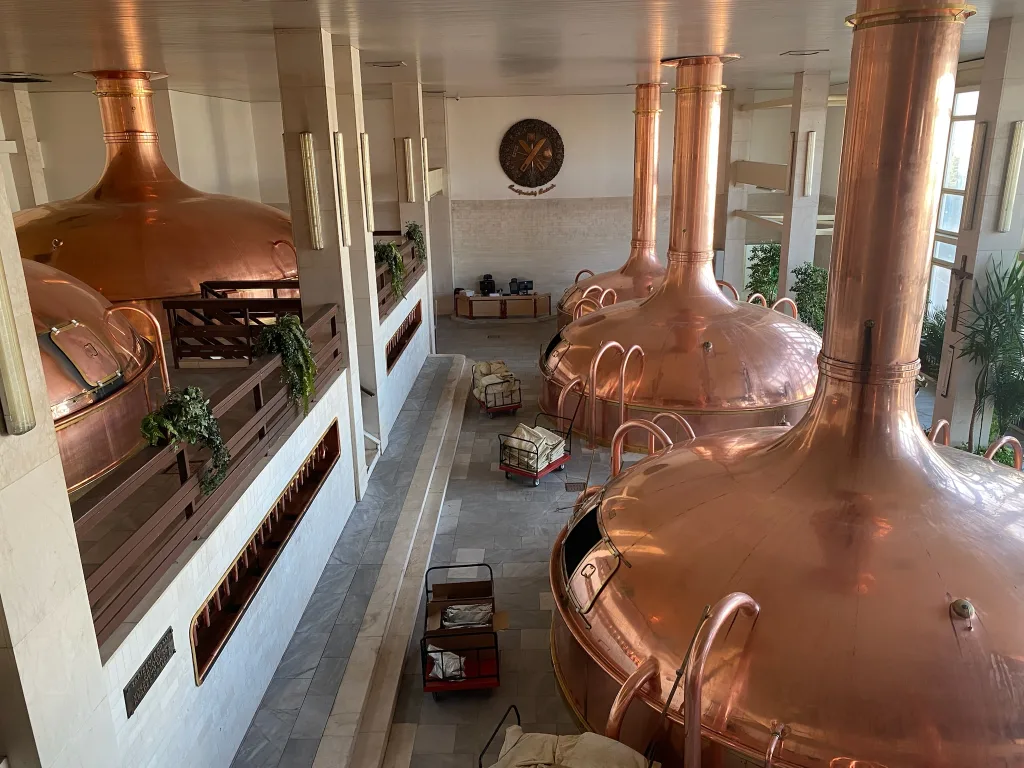
First, understand what Prague was drinking before any of this. Pilsner Urquell. Kozel. Staropramen. Beers so deeply embedded in the national identity they’re practically constitutional amendments. The Czech Republic drinks more beer per capita than any country on earth — not Germany, not Ireland — and they’re not drinking to get drunk. They’re drinking because beer is woven into the social fabric the way football is. You don’t rush a Czech beer. You sit. You talk. You order another round without discussing it.
But foundations aren’t ceilings.
Czech brewing got under my skin years before this trip. A week-long immersion with fellow craft brewers from across North America — a journey through the history, the ingredients, the quiet fanaticism of a culture that has been perfecting a single style for centuries. It rewired something in how I approach the craft. So when the World Cup draw placed Czechia in Atlanta, returning wasn’t a decision so much as an inevitability. This time, my family came with me.
Dva Kohouti sits in Karlín — the part of Prague that spent decades being ignored and is now, without fanfare, becoming one of the city’s most interesting corners. The Two Roosters. Founded on a conviction that most breweries never quite arrive at: that the person making the beer and the person serving it deserve equal reverence. Master brewer Adam Matuška and master tapster Lukáš Svoboda built this place around that belief, and you feel it the moment you walk in.
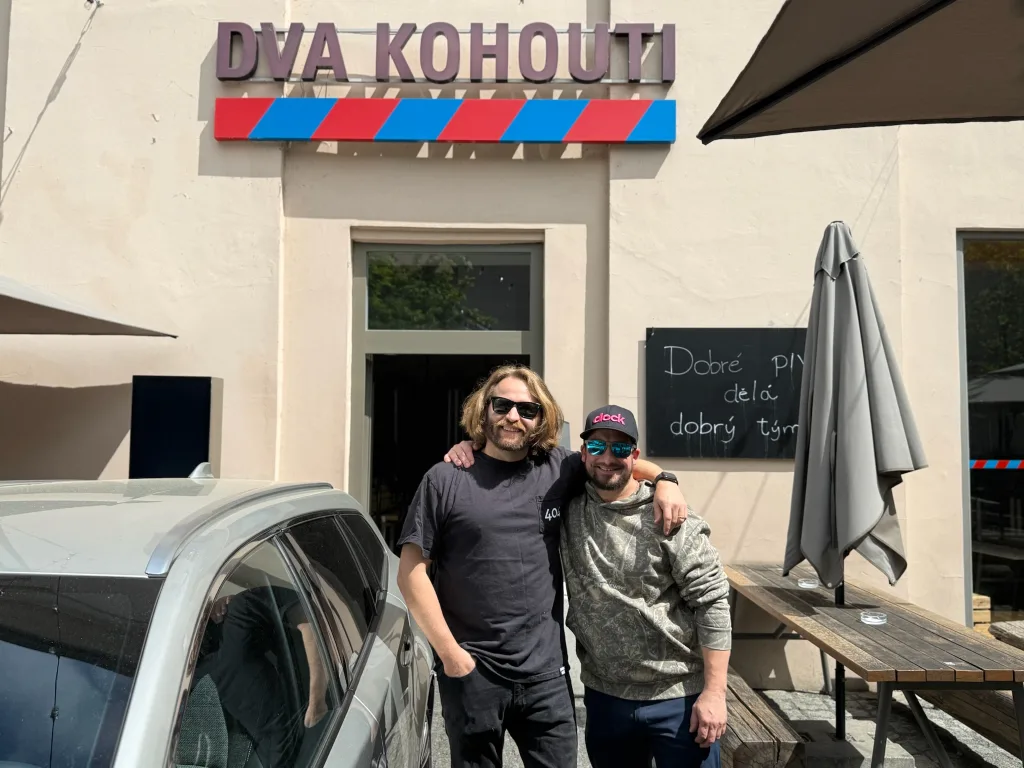
The man with his hands in the mash is Lukáš Tomsa. Brewmaster. My friend. He works with Czech malt and Žatec hops the way a craftsman works with materials he has spent a lifetime learning to respect — deliberately, without shortcuts, with an attention to process that borders on the devotional.
There’s a kind of brewer you only understand by being in the room with them. Lukáš is that kind. We talked about the světlý ležák — the pale lager that is the bedrock of Czech brewing identity, the style from which the pilsner was born and which has never, in nearly two centuries, needed to be replaced. We talked about what it looks like to honor something that old while still finding room to move within it.
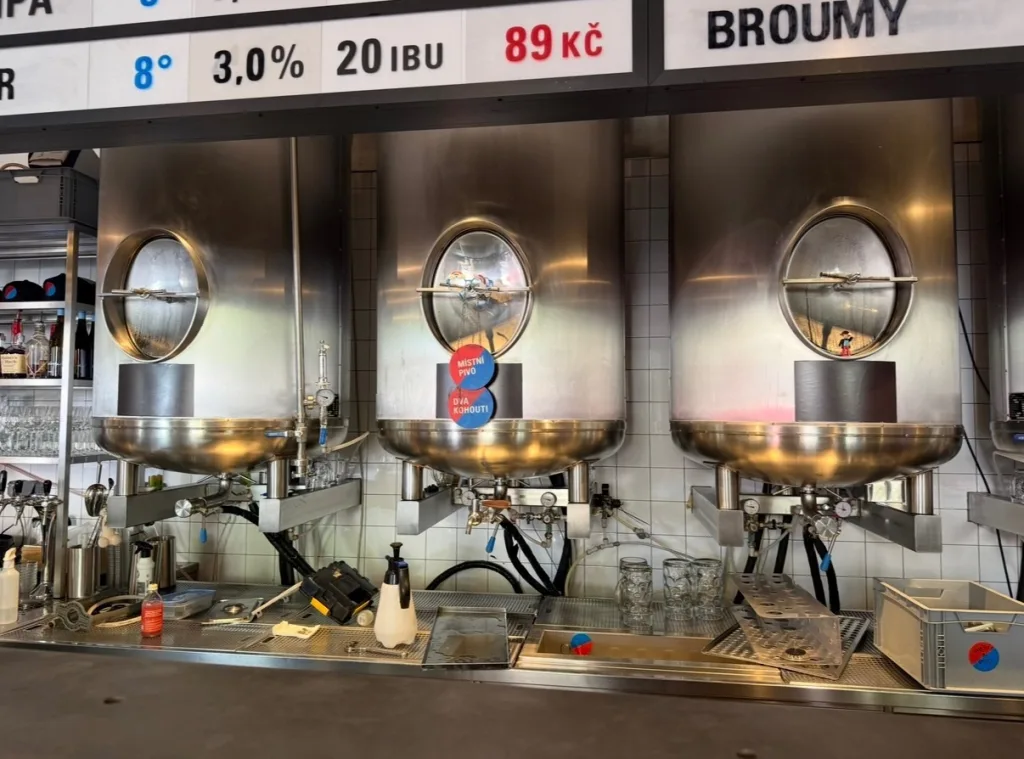
Across the courtyard, while we talked, my two kids were doing what my kids always do in breweries — making themselves completely at home. Eight years old and five years old, both raised in these spaces, both entirely unbothered by the fact that they were now in a brewery in a city that has been standing since the 9th century. My 8-year-old working his way methodically around every tank, studying each one with the gravity of someone taking notes. My 5-year-old simply present, unimpressed, comfortable. This is community — not the word, not the intention, but the actual thing. A family at home somewhere new because the people in that place made room for them.
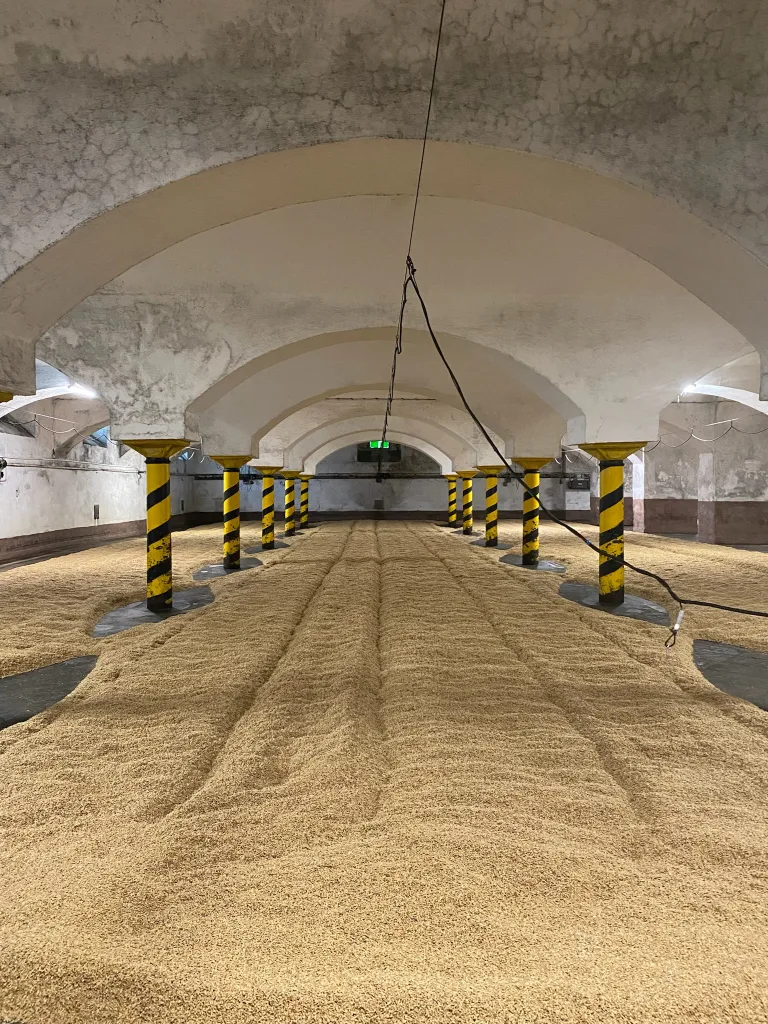
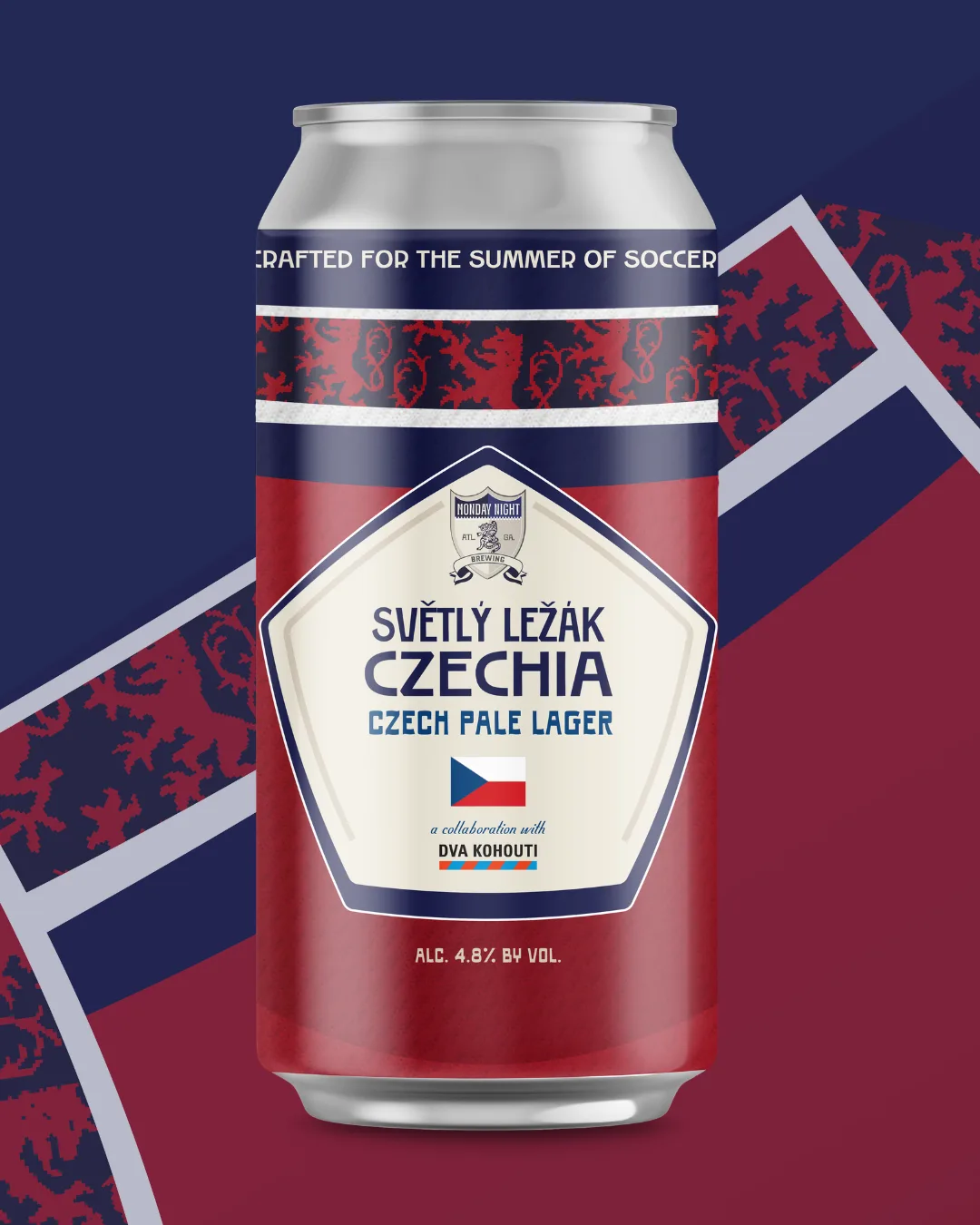
The beer we built together begins with the foundation: a světlý ležák, Czech malts, Žatec hops. Then we dry-hopped it with Kazbek — the first aroma hop variety ever developed specifically within Czech breeding programs, released in 2008, its lineage running back through wild Russian hops crossed with noble Saaz. Named for the tallest peak in the Northern Caucasus. Barely a single percentage point of total Czech hop production. What it gives you is Saaz, transformed — the same herbal, spiced backbone but lifted into something brighter, citrus-forward, with grapefruit and lemon and a stone fruit softness layered underneath that lingers longer than you expect.
We pushed the tradition forward by one careful step. That’s all. That felt exactly right for Dva Kohouti — a brewery that knows its own history precisely enough to know where there’s room to grow.
And it felt like what I watched from that bar stool on May 9th — a city that would rather tear itself apart than feel nothing, and that considers that a perfectly reasonable trade.
Get the lager first. Respect the tradition. Then get the triple decocted fruited sour. Respect the evolution. Order a Hladinka, Šnyt or Mlíko pour just to understand what intentionality tastes like.
Stay until they make you leave… or make you family.
You’re in Karlín. You’re exactly where the city is going.
Peter B. Kiley